
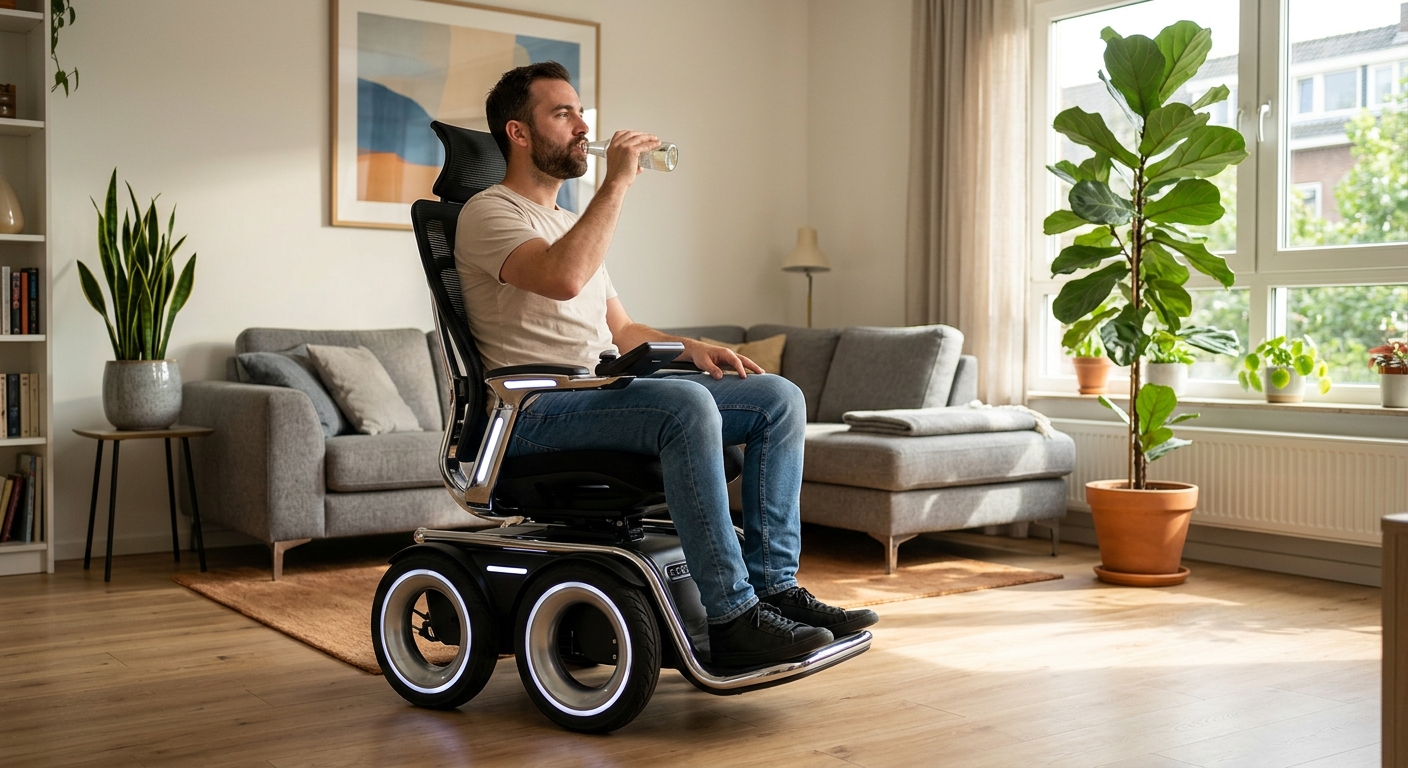
Tackling the cleaning of a vast space can feel like an endless, back-breaking chore. Whether it’s a sprawling home, a commercial warehouse, or a large event venue, traditional cleaning methods often fall short, demanding immense physical effort for minimal results. This is where innovation steps in to redefine the entire process, turning a grueling task into a remarkably efficient and even comfortable experience.
Imagine covering thousands of square feet of flooring without taking a single step, all while achieving a deeper clean than ever before. This is the promise of riding vacuums, a revolutionary category of cleaning technology that merges the power of industrial-grade suction with the ergonomic comfort of a seated vehicle. It’s not just about cleaning; it’s about reclaiming your time and energy.
The Ingenious Concept Behind Riding Vacuums
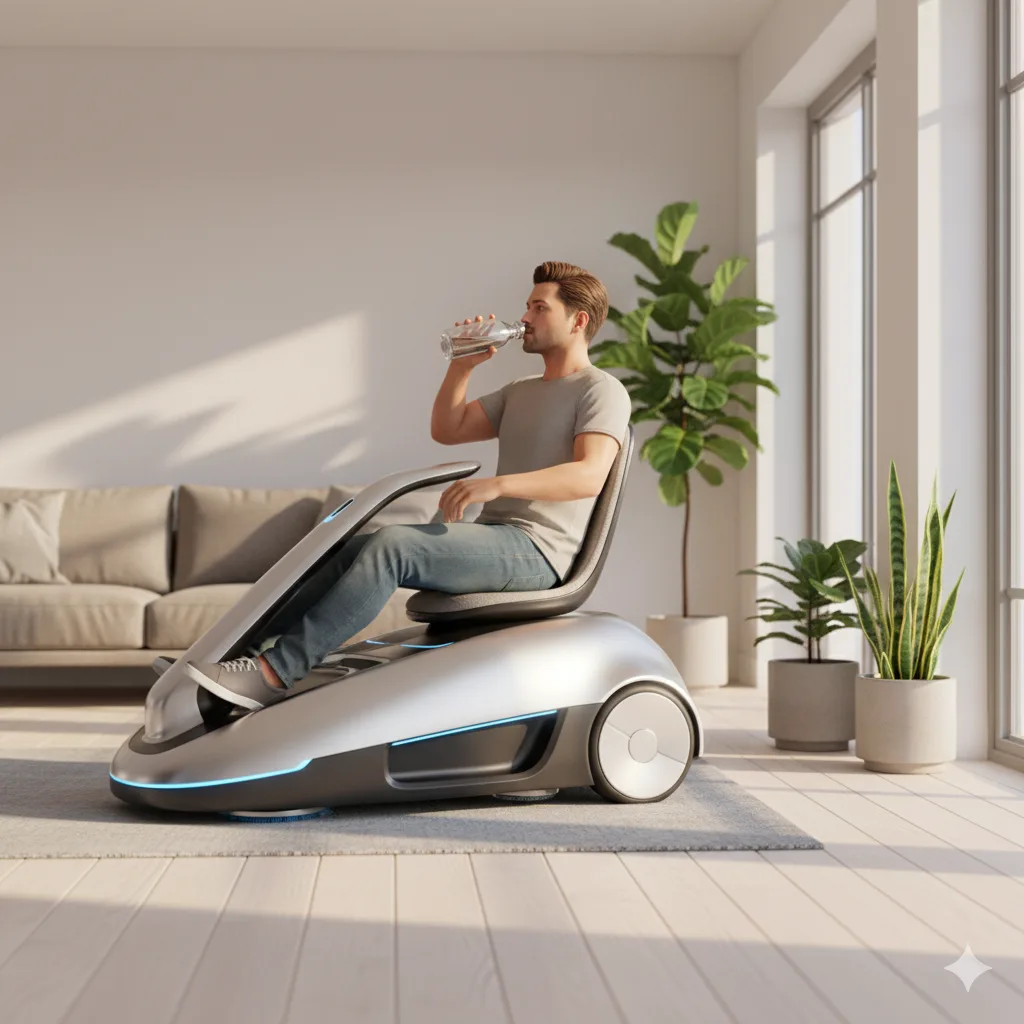
The inspiration for riding vacuums stems from a simple yet powerful idea: why should cleaning large areas be a physically punishing activity? Engineers and designers looked at the efficiency of riding lawn mowers and applied the same ergonomic principles to indoor maintenance. The primary problem they aimed to solve was the significant physical fatigue and time consumption associated with using push-style vacuums over expansive floors. The solution was to create a machine that carries the operator, transforming a laborious walk into a productive ride.
This leap in design allows one person to accomplish the work of a small team in a fraction of the time. Early models were purely functional, built for industrial riding vacuums in factories and airports. However, modern designs increasingly focus on user experience, incorporating intuitive controls, comfortable seating, and even quieter operation for use in a wider range of environments. These machines are purpose-built to maximize productivity by minimizing the physical toll on the user, making them a cornerstone of modern commercial cleaning solutions.
“The best designs are born from a deep understanding of human needs. When you eliminate physical strain, you unlock a new level of efficiency and potential.”
Who Truly Benefits from Riding Vacuums?
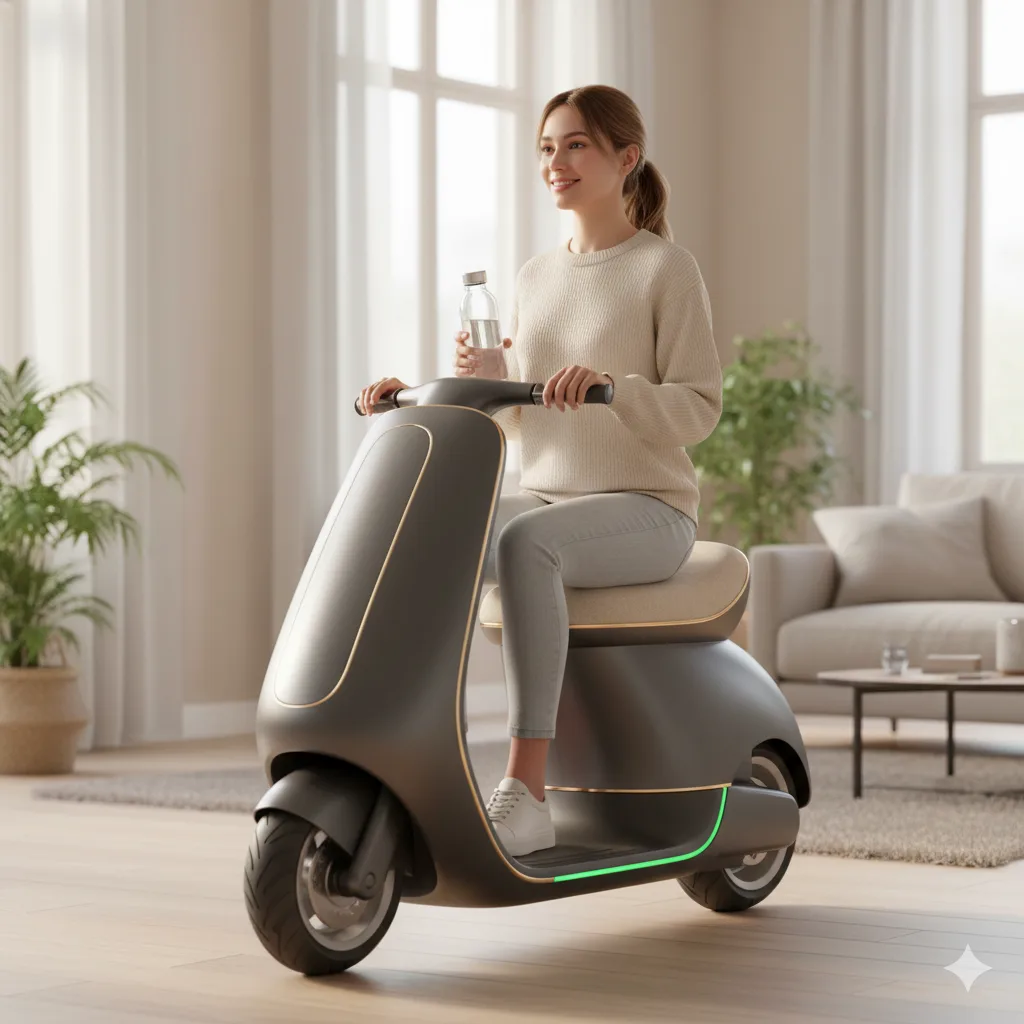
The audience for riding vacuums is remarkably diverse, spanning both residential and commercial sectors. At its core, this technology is for anyone responsible for maintaining a significant amount of floor space. For homeowners with large estates, open-plan layouts, or extensive finished basements, a riding vacuum transforms a weekend-long chore into a quick and easy task, offering a new level of effortless home care.
In the commercial world, the benefits are even more pronounced. Facility managers for schools, hospitals, convention centers, and airports rely on these efficient cleaning machines to maintain hygiene standards without incurring massive labor costs. Cleaning business owners can equip their teams with riding vacuums to cover more client sites per day, dramatically increasing profitability and reducing employee turnover caused by physical burnout. These machines are indispensable for any operation where cleanliness and efficiency are paramount for large space cleaning.
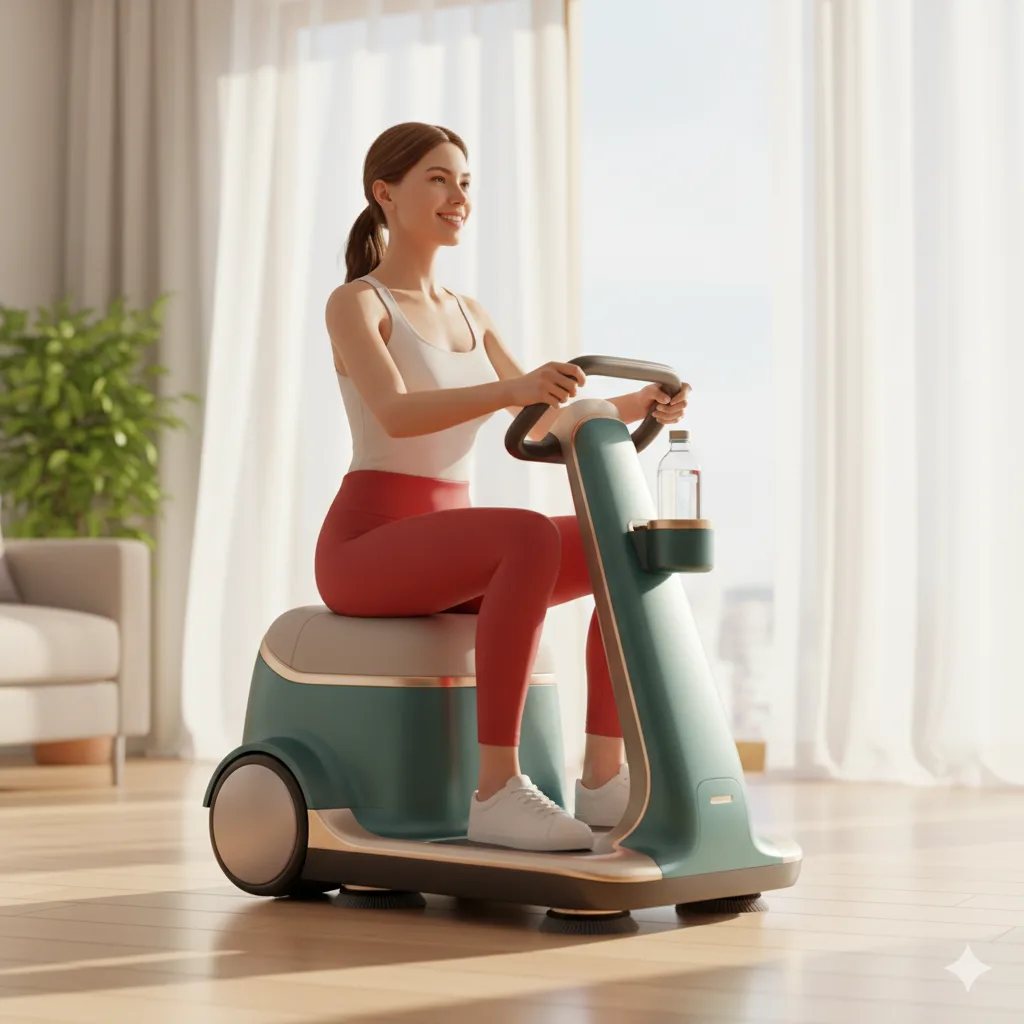
Finally, early adopters of technology and those seeking ergonomic cleaning machines due to mobility or health concerns find these vacuums to be a perfect fit. They represent the cutting edge of automated cleaning equipment, offering independence and a high-tech solution to an age-old problem.
Design, Features, and Care for Riding Vacuums
The engineering behind modern riding vacuums is a sophisticated blend of power, ergonomics, and intelligent design. Understanding these key elements helps users appreciate their full capability and ensure their long-term performance.
Ergonomic and Intuitive Controls
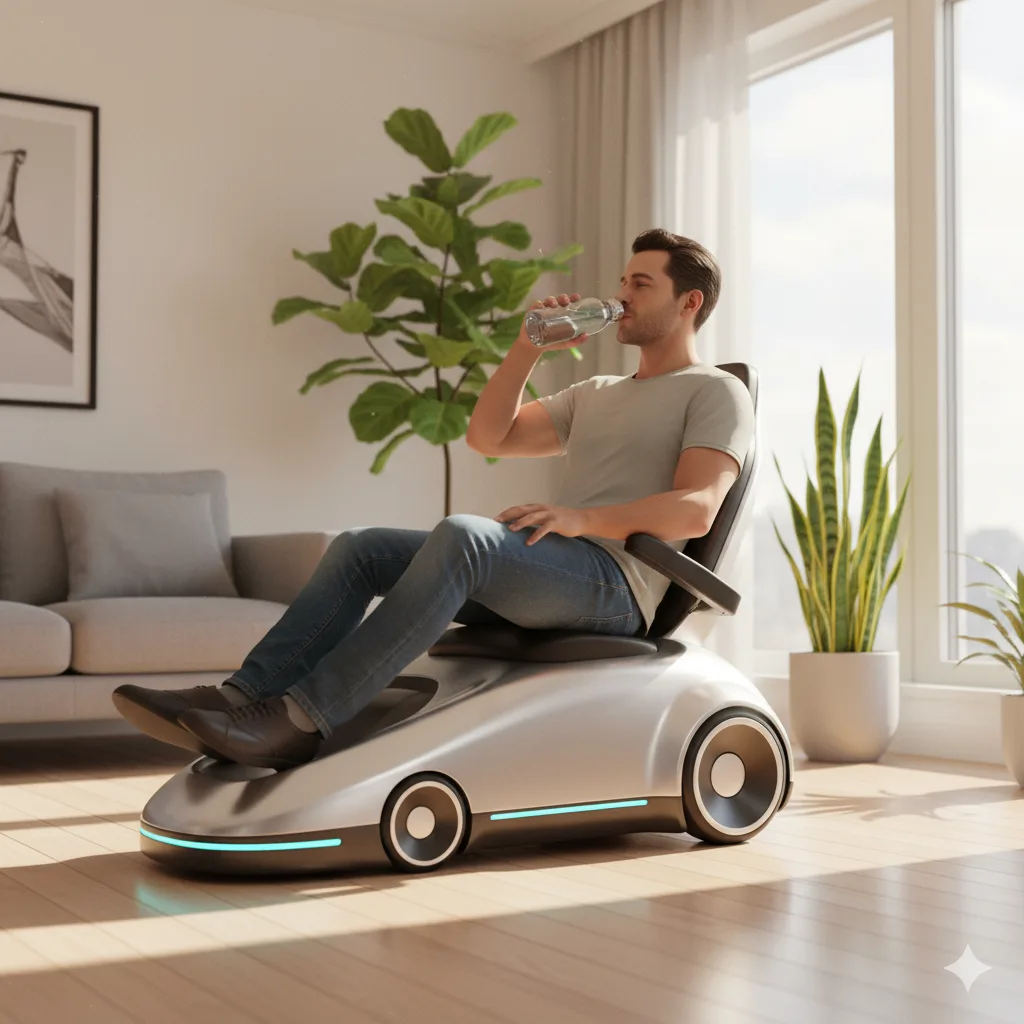
The primary design focus is on user comfort and control. These machines feature adjustable, cushioned seats, intuitive steering mechanisms—often resembling a simple steering wheel or joystick—and clearly laid-out control panels. All critical functions, such as engaging the vacuum brushes, adjusting suction power, and monitoring battery life, are placed within easy reach, eliminating the need to stretch or strain during operation.
Superior Cleaning Power and Capacity
Unlike their residential counterparts, riding vacuums are built for heavy-duty work. They boast extremely wide vacuum heads, some spanning over 30 inches, allowing them to cover huge areas with each pass. This is paired with powerful motor systems that generate incredible suction, capable of lifting everything from fine dust to larger debris. Furthermore, their dust collection hoppers are massive, often holding many times the capacity of a standard upright, meaning far fewer stops to empty the bin. Advanced filtration systems, including HEPA filters, are also common, ensuring that dust and allergens are trapped, improving indoor air quality.
Essential Maintenance Tips
Maintaining your riding vacuum is straightforward and key to its longevity. Regularly empty the debris hopper to maintain optimal suction. Inspect and clean the filters according to the manufacturer’s guidelines—a clogged filter is the most common cause of reduced performance. Keep the brushes free of tangled hair, string, and debris. Finally, for battery-powered models, follow proper charging protocols to maximize battery health and ensure the machine is always ready for the next job.
How Riding Vacuums Compare to the Competition
When evaluating riding vacuums, it’s helpful to see how they measure up against traditional cleaning methods in key areas. The comparison clearly highlights their position as a premium, high-performance solution.
Price Comparison
There’s no question that riding vacuums represent a significant initial investment compared to upright or canister vacuums. However, their value is realized in the long term. For businesses, the reduction in labor hours and increased productivity provides a swift return on investment. For homeowners, the time saved and the elimination of physical strain on the body are invaluable benefits that justify the cost.
Design Comparison
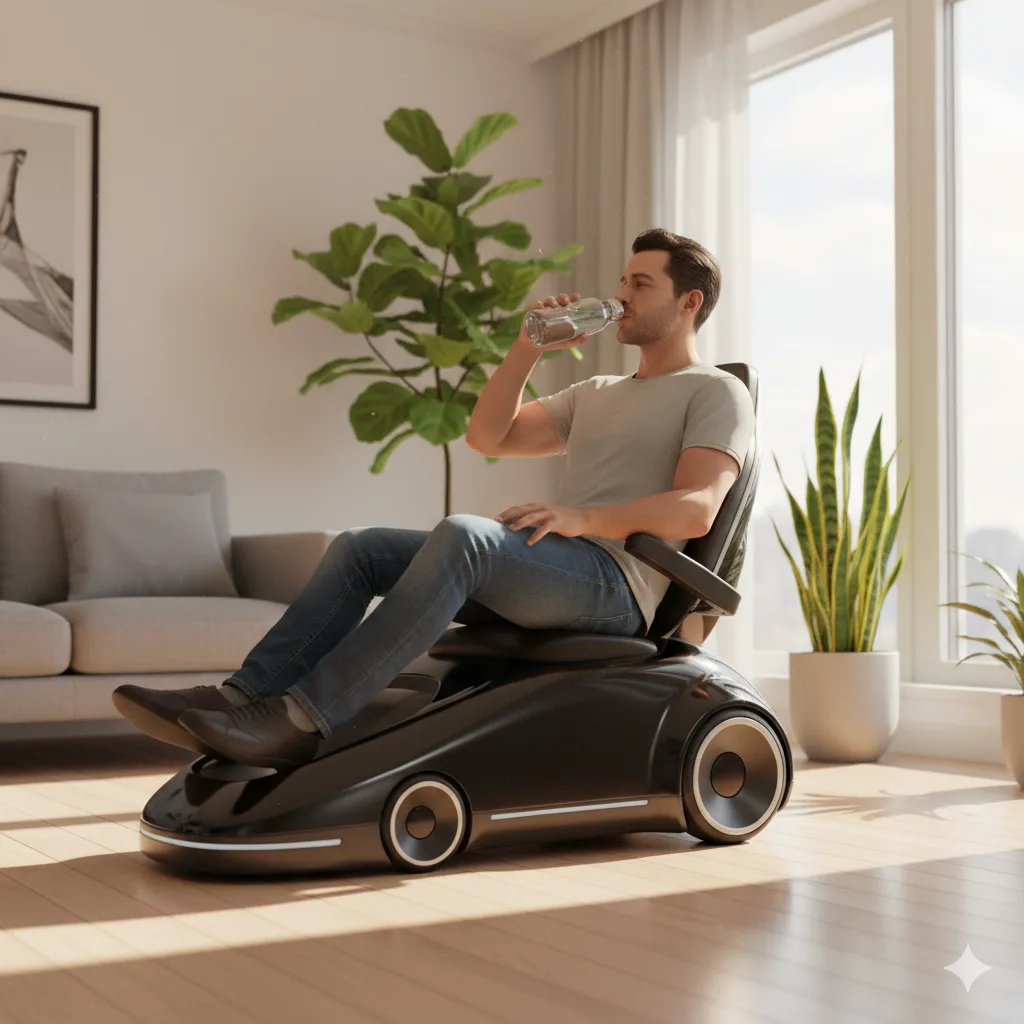
The fundamental design difference is mobility. Traditional vacuums require the user to be on their feet, pushing and pulling the unit. Riding vacuums eliminate this entirely, turning a physically demanding task into a comfortable, seated one. This ergonomic advantage is a game-changer, especially for older individuals or those with physical limitations. The design prioritizes operator endurance over everything else.
Feature Comparison
When compared feature-for-feature, riding vacuums showcase their industrial heritage.
- Cleaning Path: 28-40 inches for a riding model vs. 12-15 inches for a standard upright.
- Debris Capacity: 15-30+ gallons for a riding model vs. 1-2 gallons for a large upright.
- Power Source: High-capacity rechargeable batteries or propane engines vs. wall outlets with cord length limitations.
- Filtration: Often multi-stage, commercial-grade systems vs. standard HEPA filters.
Durability and Longevity
Riding vacuums are typically built with steel frames, durable housings, and commercial-grade components designed for thousands of hours of operation. This robust construction ensures they can withstand the rigors of daily use in demanding environments, offering a much longer service life than consumer-grade plastic vacuums.
Customer Reviews
Users consistently praise the transformative impact of these machines. Commercial reviews for riding vacuums frequently mention a dramatic increase in team productivity and a noticeable improvement in overall facility cleanliness. Residential users often highlight the “life-changing” reduction in physical effort, with many stating they can now clean their entire home without the back and leg pain associated with their old vacuums.
Conclusion
Riding vacuums are more than just a cleaning appliance; they are a strategic investment in efficiency, health, and time. By combining powerful suction with an ergonomic, seated design, they solve the most significant challenges of large space cleaning. They empower homeowners to maintain pristine environments without sacrificing their weekends and enable businesses to achieve higher standards of cleanliness with greater productivity.
As cleaning technology continues to evolve, these machines stand out as a prime example of user-centric innovation. They prove that the most demanding jobs can be made manageable, comfortable, and even enjoyable. If you’re passionate about smart solutions and innovative design in home and commercial care, the world of riding vacuums offers a compelling glimpse into the future of maintenance. For more on cutting-edge design, be sure to follow and subscribe to our updates.
Frequently Asked Questions
How much do riding vacuums typically cost?
The cost of riding vacuums can vary significantly based on size, power source, and features. Entry-level, battery-powered models for smaller commercial spaces or large homes may start in the low thousands, while larger, industrial-grade machines can cost tens of thousands of dollars. The price reflects their robust construction and advanced capabilities.
Are riding vacuums difficult to operate for a first-time user?
No, most modern riding vacuums are designed with user-friendliness in mind. They feature intuitive controls, similar to a small vehicle or riding mower, with simple forward/reverse operation and clearly marked buttons for engaging the vacuum functions. Most users can become proficient after a brief orientation.
What types of surfaces are best for riding vacuums?
Riding vacuums excel on large, open areas of low-pile carpet, hard floors, and commercial flooring like tile, concrete, and vinyl. They are ideal for hallways, gymnasiums, warehouses, ballrooms, and expansive great rooms. While they can handle various surfaces, they are not designed for shag carpeting or navigating tight, cluttered spaces with lots of furniture.


